



Chinese white ceramic painted sculpture of the God of Wealth
In Chinese Taoism, the God of Wealth is the deity responsible for managing the wealth of the world. In Chinese folk customs, New Year's Eve is the busiest day of the Spring Festival. On New Year's Eve, people eat dumplings and stay up all night, waiting to pick up the God of Wealth. Some even bring the God of Wealth to their doorstep, and on the second day of the lunar new year, they also offer sacrifices to the God of Wealth. Nowadays, it is most popular to welcome the God of Wealth on the fifth day of the first lunar month. The God of Wealth worshipped includes the God of Wealth, the God of Wealth, and the God of Wealth, such as Zhao Gongming and Guan Gong; The God of Wealth is Bi Gan, Fan Li, and others. The gods of wealth that people believe in include the Five Saints, Chai Rong, Caigong Caimu, Hehe Erxian, Lishi Xianguan, Wenchang Emperor, and Living God of Wealth Shen Wansan. Among them, the belief in the Wenwu God of Wealth and the Five Saints is the most widespread.

Colorful glazed statue of Wei Tuo painted in the Ming Dynasty
This artifact is a Bodhisattva named "Weituo", a statue from the Ming Dynasty (1368-1644) in China. This ceramic artifact is currently housed in the National Museum of Scotland. The prototype of Weituotian is Shijiantuotian, the son of Brahmanism's Great Self in Heaven. Shijiantuo has over twenty names. In addition to Shijiantuo, common ones include Kumaraj, Kajiya, Shanfan, Nengzhou, and the Six Faced Child. The common image is a two armed young male war god, and there are also six sided images.

Popular Models
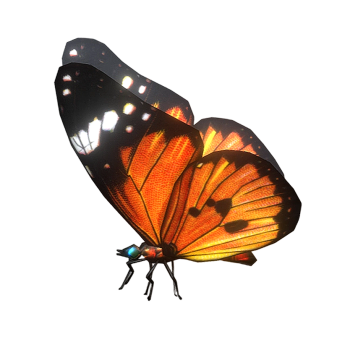
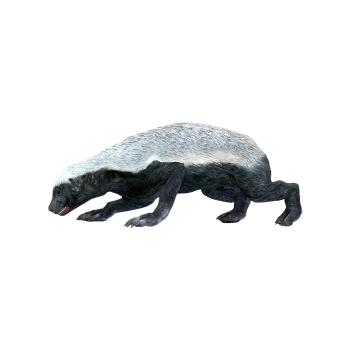
Honey Badger (3D animated model)
194 View
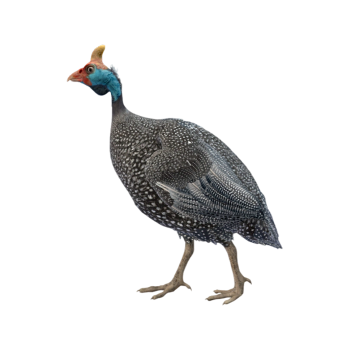
Guinea fowl (3D animated model)
165 View
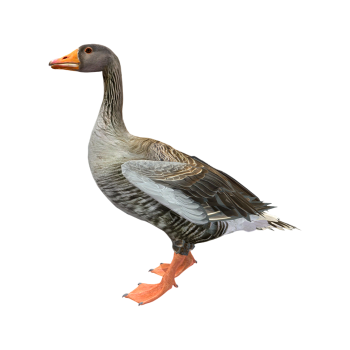
Wild Goose (3D animated model)
187 View

Red Fox (3D animated model)
155 View
Random Model

Chinese Wooden Pagoda
730 View

Japanese cheese and beef noodles
615 View
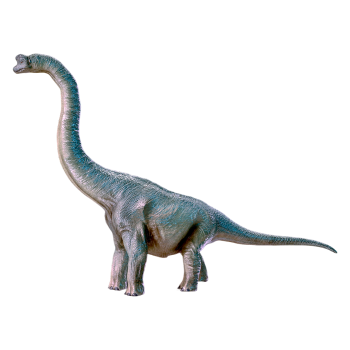
Brachiosaurus (3D animated model)
143 View

Pumpkin
777 View

A piece of daisy
528 View

Antonia Trovelsi Monument
632 View

Upper Ratsiska Monument
563 View

Blackboard
430 View
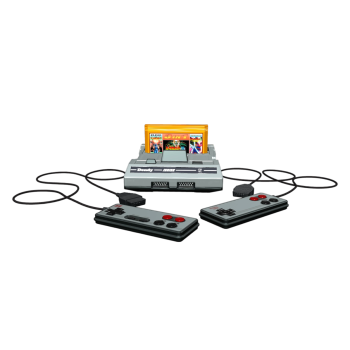
Game machine
648 View